Section outline
-
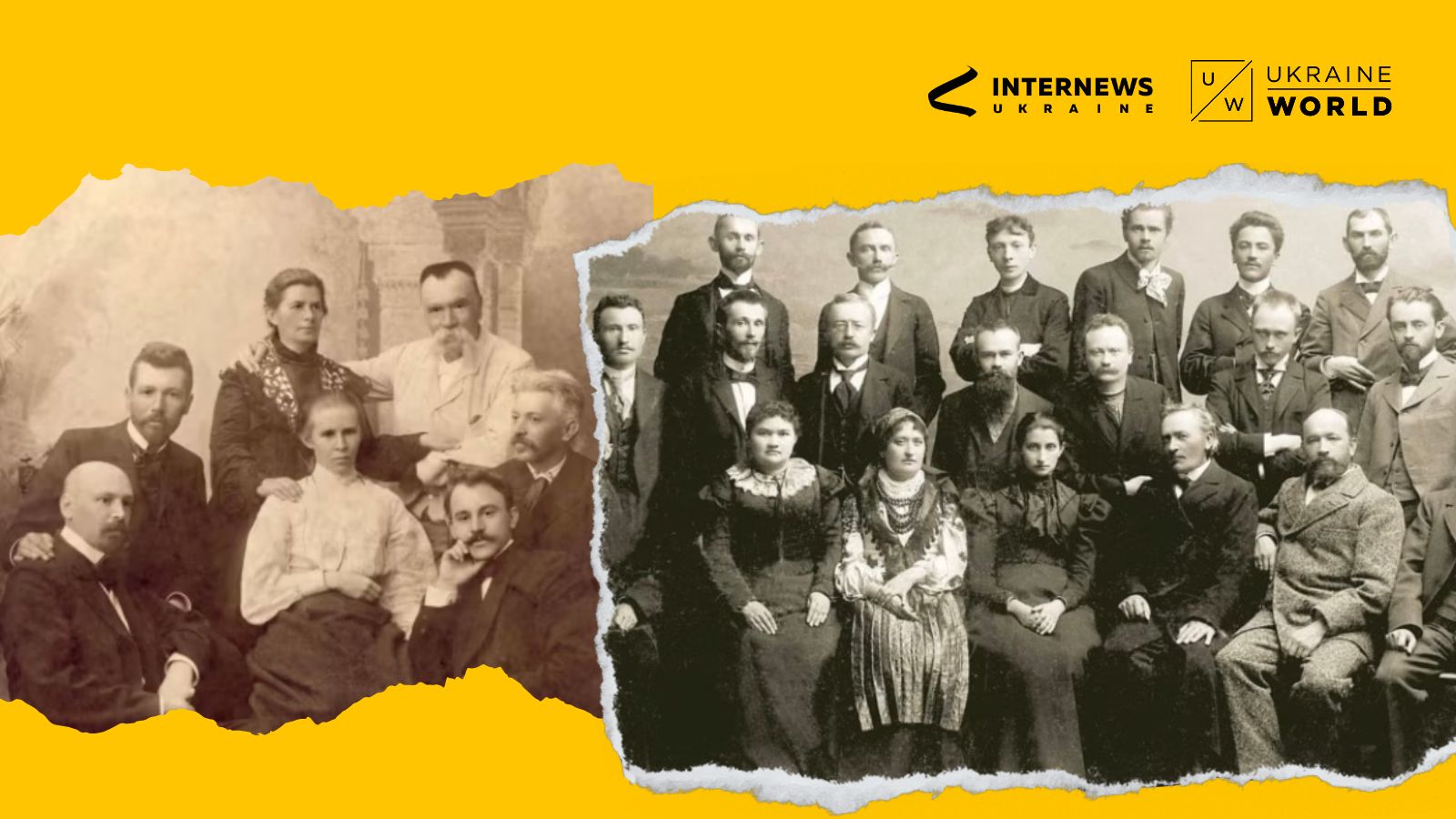
The Main Learning Objectives:
1. Remember (Knowledge Retrieval)
-
Define core terms: Ukrainophilism, Hromada, Prosvita, Modernism, and Theatre of Coryphaei.
-
List key figures: Volodymyr Antonovych, Mykhailo Drahomanov, Lesya Ukrainka, Mykhailo Kotsyubynsky, Mykola Lysenko, and Les Kurbas.
-
Recall major dates: founding of Prosvita (1868) and publication of Literaturno-Naukovyi Vistnyk.
2. Understand (Comprehension)
-
Explain how the national movement transitioned from ethnographic romanticism to socio-political action.
-
Summarize the role of Galicia as the "Ukrainian Piedmont" during times of tsarist censorship in Dnieper Ukraine.
-
Describe how Ukrainian modernism combined European aesthetic trends with national motifs.
3. Apply (Implementation)
-
Categorize primary source excerpts into ideological currents (Populist, Modernist, Social Democratic, National Democratic).
-
Demonstrate how period literature (Franko, Ukrainka, Kobylyanska) reflected social justice and gender emancipation.
4. Analyze (Structural Analysis)
-
Compare Drahomanov’s federalist vision with state-oriented and nationalist political frameworks.
-
Analyze how the 1905 Russian Revolution expanded the Ukrainian press and Prosvita networks.
-
Deconstruct the tension between Populism (narodnytstvo) and Modernism (modernizm).
5. Evaluate (Critique & Judgement)
-
Assess the reach of cultural institutions (Prosvita, NTSh) among rural versus urban populations.
-
Evaluate the legacy of early 20th-century cultural revival in preparing the ground for the 1917–1921 War of Independence.
6. Create (Synthesis)
-
Design a thematic syllabus or exhibition on the evolution of Ukrainian arts from Populism to the Avant-Garde.
-
Formulate a research essay comparing Ukraine's national revival with other East-Central European awakenings (e.g., Czech or Irish).
-